

Option pages
Details on each alternative.
Messy tabs → decision-ready memo with context, options, evidence, tradeoffs, risks, and next steps. Popular for team decisions.
Popular use case. ← Back to all use cases
A decision-ready memo that transforms scattered research tabs into a structured document: context, options, evidence, tradeoffs, risks, recommended decision, and next steps.
What to open, what you'll get:
Details on each alternative.

Comparisons, expert takes.

Why this decision matters now.
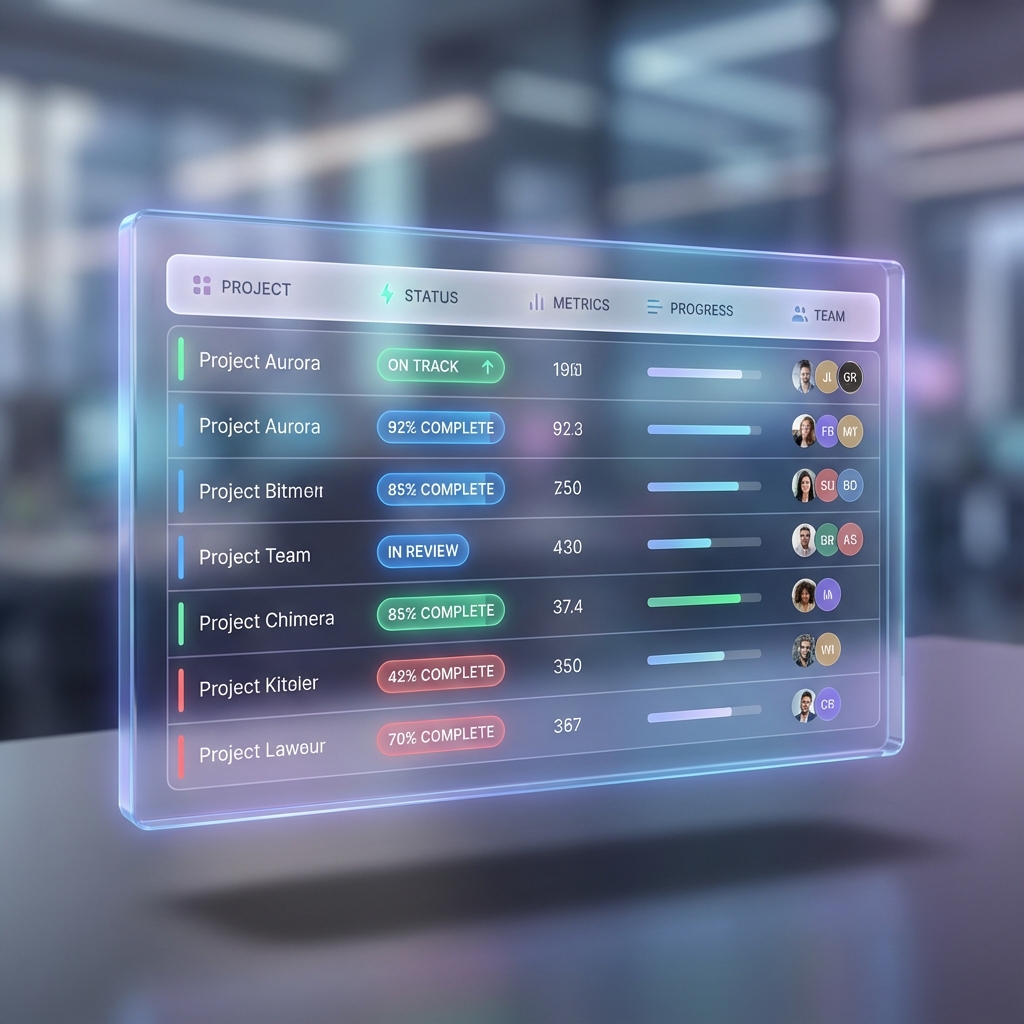
Side-by-side with key attributes.
What you gain/lose per option.

Actions, owners, timeline.
Run this prompt with your tabs open in GenTabs/Disco or paste into any LLM with your sources.
You are GenTabs. Use ONLY the open tabs as sources.

GOAL: Create a decision memo for [DECISION TOPIC].

OUTPUT:
1) Context
   - What decision needs to be made?
   - Why now? What's the trigger?
   - Who are the stakeholders?
   - What are the constraints (budget, time, requirements)?

2) Options Table
   | Option | Cost | Time | Risk | Key Benefit | Key Drawback |
   - 3–5 realistic options
   - Include "do nothing" if relevant

3) Evidence Summary
   For each option:
   - Supporting evidence (with citations)
   - Concerns or unknowns
   - Who advocates for this option?

4) Tradeoffs & Risks
   - What do you gain/lose with each option?
   - Reversibility: easy to undo vs. locked in
   - Tail risks: what could go very wrong?

5) Recommendation
   - DECISION: [Your recommendation]
   - RATIONALE: [2–3 sentences]
   - DISSENT: [Strongest argument against]
   - CONFIDENCE: High/Med/Low

6) Next Steps
   | Action | Owner | Deadline | Dependencies |
   - Immediate actions if approved
   - What needs to happen first?

RULES:
- Cite sources for all evidence
- Separate facts from opinions
- Make the recommendation clear
Follow-ups to try:
1. Run a pre-mortem: "What would make this decision fail?"
2. "What new information would change the recommendation?"
3. Create stakeholder-specific summary (exec vs. technical)
4. Draft announcement for the decision
5. Build a rollback plan
Decision memos focus on organizational context, stakeholders, and next steps—not just feature matrices.
Usually yes. It forces you to articulate why action is needed and what happens if you wait.
Note it explicitly: "Unknown: [X]. Impact: [high/low]. Suggested action: [get more info or decide anyway]."
Copy the prompt into ChatGPT/Claude/Gemini and paste your research content or links.
Open your research tabs, copy the Master Prompt, and build your decision memo.